
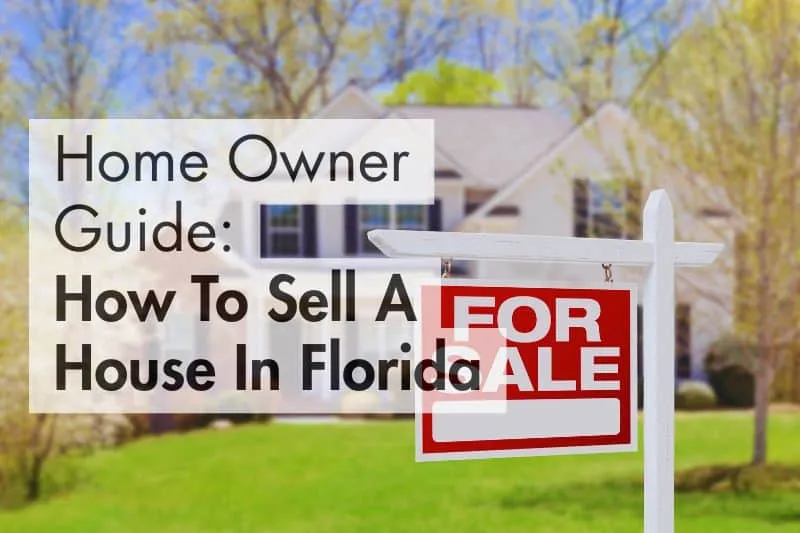
Selling a house in Florida can be a rewarding experience, given the state’s vibrant real estate market and diverse group of potential buyers.
I know what you’re thinking… the country’s economy is currently not doing so great, interest rates are up, and as a result, the housing market has stalled. So, how are you supposed to sell your house in the midst of all this?
My answer: With the help of a professional and experienced real estate agent, it’s still 100% doable. You absolutely can sell your house.
How to Sell a House in Florida
Getting the best price for your home involves more than just finding a buyer; it requires strategic planning, effective marketing, and a thorough understanding of local market dynamics.
By combining your own insights with expert guidance, you can navigate the process smoothly and fully leverage the opportunities the Sunshine State has to offer.
The key will be finding a realtor who is not only experienced in the local market, neighborhoods, and typical buyers, but also knows how to market your house and understands what improvements and updates buyers generally look for in properties.
KEY TAKEAWAYS
- Find the right real estate agent who understands how to price your home competitively, market effectively, and understands local market dynamics.
- Understand Florida housing market trends.
- Apply the right improvements and updates to your home to attract the best buyers who are a good match for your home.
Understanding the Florida Real Estate Market
The Best Time to Sell
Choosing the right time to sell can make a significant difference. In Florida, spring and early summer often see higher buyer activity. During these months, the weather is pleasant, and families are eager to move before the new school year begins.
Florida realtors typically see an increase in demand, which often results in higher prices and a shorter average time on the market.
On the other hand, listing during the cooler months may result in fewer buyers. However, you might face less competition from other sellers.
My advice: don’t assume only the typical higher-demand seasons are okay for selling. You’d be surprised how often I’ve closed great deals on properties during the quiet months. Life doesn’t wait for the right season; there are still buyers who have to find a home due to new or unexpected life circumstances.
As your realtor, I would help you decide what the best time to sell for your home is.
Assessing Market Value
Correctly assessing your property’s market value is crucial. This is again where having a knowledgeable realtor representing you is the key!
I would start by examining the median sale price of similar homes in your neighborhood. This helps ensure your pricing is competitive, and I’d also take into account your home’s unique features, recent upgrades, and location as all of these details also affect what your asking price should be.
Accurately setting the price can attract more potential buyers, leading to successful negotiations.
Florida Housing Market Trends
The Florida housing market is dynamic, with frequent changes occurring.
I continually track trends and provide my clients with detailed updates based on their observations of local real estate reports and data.
Factors such as economic shifts, interest rates, and population growth in Florida can influence trends.
Economic Conditions Impacting Sales
Florida’s economic conditions have a significant impact on the real estate market. Factors such as employment rates, tourism, and new business developments can sway buyer interest.
A strong economic environment might lead to more buyers entering the market, creating opportunities for sellers to achieve favorable prices.
The same applies to the flip side; if the economy shows signs of slowing down, this could slow down the housing market, potentially increasing the average time a home spends on the market.
Pre-Listing Strategies
Determining Your Home’s Value
Understanding your home’s value is crucial.
As your realtor, I would begin by comparing your property to similar homes in your area, taking into account factors such as size, age, and location. By accurately determining the property value, we would position your home competitively and avoid price reductions later.
Home Improvements and Repairs
Before listing, it’s essential to assess your home’s condition for any necessary repairs. Inspect for common issues like leaks, faulty wiring, or outdated fixtures.
I highly recommend a pre-listing inspection; it can identify hidden problems, allowing you to address them before buyers get involved.
Even simple updates, such as a fresh coat of paint or new hardware, can increase appeal. Ensuring your property is in good condition can lead to a faster sale and potentially higher offers.
I always work with my sellers and help them prioritize improvements that offer the highest return on investment.
Professional Photography and Staging
Visual presentation matters significantly in attracting potential buyers.
I use professional photography for all my listings; it captures your home’s best features in good lighting and angles. Quality photos can engage more online viewers, making them interested in scheduling a visit.
Sometimes it’s helpful to hire a professional stager to arrange furniture and décor in a way that enhances your home’s appeal. Staging helps buyers visualize the space and how it fits their lifestyle.
These visual elements can set your listing apart in the competitive Florida market.
Marketing Your Home
Listing Your Property
A compelling listing is crucial to capturing the attention of prospective buyers.
In my experience, it’s crucial to start with engaging, high-resolution photos and a captivating, accurate description of your home’s features and amenities. Incorporating a floor plan can also help buyers visualize the space.
As your realtor, I would update the online listing regularly to reflect any changes or improvements to the property.
Using Social Media and Online Platforms
Social media is a powerful tool for showcasing your home to a broader audience. Platforms like Instagram and Facebook are a significant part of my marketing plans, as they enable the posting of vibrant visuals and the quick sharing of posts. I often also use targeted ads to boost visibility to audiences interested in buying a home.
Hosting Open Houses
Open houses are a great way for interested parties to experience your home firsthand. A significant part of my job is organizing well-attended open houses by scheduling them during weekends or at popular times when buyers are most likely to be available.
One crucial step is to enhance the appeal of open houses by staging your home to highlight its best features. Offering refreshments and creating an inviting atmosphere can make a positive impression.
I always collect feedback and provide brochures with contact information for follow-ups.
Navigating the Legal and Financial Elements
Understanding the Legal Requirements
Florida real estate law requires strict adherence to specific legal protocols. Disclosure forms must be completed accurately, reflecting any known property issues. These forms protect you from future legal claims.
This is another reason why having an experienced agent in your corner is vital. Understanding each component, from disclosures to financing contingencies, is crucial to avoiding potential legal pitfalls.
Evaluating Offers and Buyer’s Finance
Evaluating incoming offers requires a keen eye for detail. I’m here to help you look beyond the offer price to consider the financing conditions and potential contingencies that could impact the closing. It’s always essential to assess buyers’ financial stability to ensure secure funding.
Negotiations may include comparing cash offers with those that require loan approval. We would analyze these offerings based on certainty and potential return.
Closing costs should be clearly understood and negotiated as part of the offer evaluation.
Closing the Deal
Selecting the Right Title Company
Choosing a reliable title company is crucial for finalizing your sale with confidence. A title company conducts a thorough title search to ensure the property’s legal ownership is clear and free of encumbrances. Title insurance protects both buyer and seller against any potential legal issues related to the title.
Look for companies with a proven reputation in Florida real estate. Their experience will guide you through the complexities of the transaction.
I absolutely can recommend the right title company for you.
Final Home Inspection
A comprehensive home inspection guarantees the property is in the agreed-upon condition before finalizing the deal.
You and the buyer must agree on any repairs based on the inspection report. If not resolved, these findings may affect the purchase price or even hold up the transaction.
Arrange for a licensed inspector familiar with Florida’s unique environmental factors. Common issues reported might include moisture problems or roofing concerns, which are prevalent in the area.
My role as your realtor is to promptly negotiate these repairs, ensuring that you won’t delay the closing date—clear communication with the buyer about expectations fosters trust, leading to a smoother transaction.
Negotiating Closing Date and Terms
Setting a closing date that accommodates both parties can be a balancing act. I would collaborate with the buyer or their agent to determine a timeline considering financing arrangements, moving logistics, and personal schedules.
Being flexible about the closing date can be advantageous, especially if the buyer faces financing hurdles.
Negotiating these terms effectively ensures all parties are satisfied, paving the way for a successful conclusion to your real estate deal.
After the Sale
Handing Over the Keys
Upon finalizing the sale, transferring keys to the new owners is crucial. This occurs either through my collaboration with the buyer or their agent, or by the title company at the closing table.
As part of my job, I confirm the handover date and time with the new owners to avoid confusion.
Prepare a checklist of items included with the home, like garage remotes or access codes.
Providing a brief orientation on how various systems and devices function within the house, such as alarm systems and smart home devices, can offer new owners peace of mind. It’s also a nice gesture to leave a welcoming note or a list of recommended local services.
Preparing for Your Move
Once the sale is complete, focus on organizing your move. Start by creating a moving checklist to avoid last-minute complications. Sort through your belongings, deciding what to take, donate, or sell.
Understanding how much you pocketed from the sale can influence your moving budget, so keep track of your home equity gains.
Hiring professional movers can save you time and ensure the safety of your possessions, granting you peace of mind.
If you’re moving to a new home in Florida, take the time to familiarize yourself with your new neighborhood to make the transition as smooth as possible.
Plan utility transfers or setups at your new home in advance so you’re not left without essentials. This well-organized approach will help you settle comfortably into your new journey.
Conclusion
Selling a Florida house takes preparation, timing, and a trusted listing agent who understands the local market and real estate contracts. Whether you’re considering a cash buyer or traditional listing service, the best way to protect your interests and secure a fair price is by working with the right professional.
With my guidance as your listing agent, you can navigate every step of the real estate transaction confidently and achieve a smooth, successful home sale.
I’ve helped many Florida home sellers get top dollar for their properties, and I’d be honored to help you do the same.
Frequently Asked Questions
What are some tips for selling a home in Florida to avoid capital gains tax?
To minimize capital gains tax, consider strategies such as taking advantage of the primary residence exclusion if you’ve lived in the home for at least two of the past five years. Keep detailed records of any improvements made to the property, as these can be subtracted from your gain, potentially lowering your tax burden.
Is it necessary to have a real estate attorney when selling property in Florida?
While an attorney is not legally required when selling property in Florida, having one can be beneficial. An attorney can review contracts, help navigate legal requirements, and ensure the sale complies with state laws. This can provide peace of mind and protect your interests during the transaction.
What are the legal requirements for items to leave behind when selling a house?
In Florida, contracts typically specify which fixtures and appliances remain with the house. Built-in items, such as kitchen cabinets, lighting fixtures, and sometimes appliances, are generally included in the sale. Clearly outline in your contract what stays and what you plan to take with you to avoid misunderstandings.
What should you not fix when planning to sell your Florida home?
Focus on necessary repairs and avoid over-improvements that won’t increase your sale price. Major renovations, such as high-end kitchen remodels, may not yield a return on investment. Instead, concentrate on cosmetic enhancements, such as a fresh coat of paint, and ensure all systems are functional.
Are there any disadvantages to selling a house during certain months in Florida?
Seasonal trends can significantly impact the housing market, with spring and summer typically being the best times to sell, due to increased buyer activity. Selling during the cooler months, such as fall or winter, may result in fewer buyers. Still, Florida’s year-round appeal means homes can sell at any time with the right strategy.

Real Estate Agent
Megan is an experienced real estate agent based in St Petersburg, FL. Her 10-year career and expertise in luxury real estate, coupled with meticulous attention to detail, ensures a seamless, high-end experience for every client.
Similar Posts
How Long Does A Home Inspection Take To Complete?
By Megan Potila
Guide: How to Buy a House Contingent on Selling Yours
By Megan Potila
Average Escrow Time: A Timeline for Home Buyers
By Megan Potila
Historic Old Northeast: St. Petersburg’s Hidden Gems
By Megan Potila
Snell Isle: A Luxury Paradise in Saint Petersburg
By Megan Potila
Tierra Verde Florida: Island Living in St Petersburg
By Megan Potila